

Electronic devices have become an essential part of our daily lives. From smartphones and laptops to industrial machines and smart home systems, modern technology relies heavily on complex electronic components working together efficiently. One of the key building blocks that makes these devices function smoothly is electronic modules.
Electronic modules simplify the design, improve performance, and help engineers build advanced systems faster. Whether it’s an IoT device, automotive system, medical equipment, or consumer electronics product, electronic modules play a vital role in ensuring reliability and efficiency.
In this article, we’ll explore what electronic modules are, how they work, their types, benefits, and why they are important in modern technology.
What Are Electronic Modules?
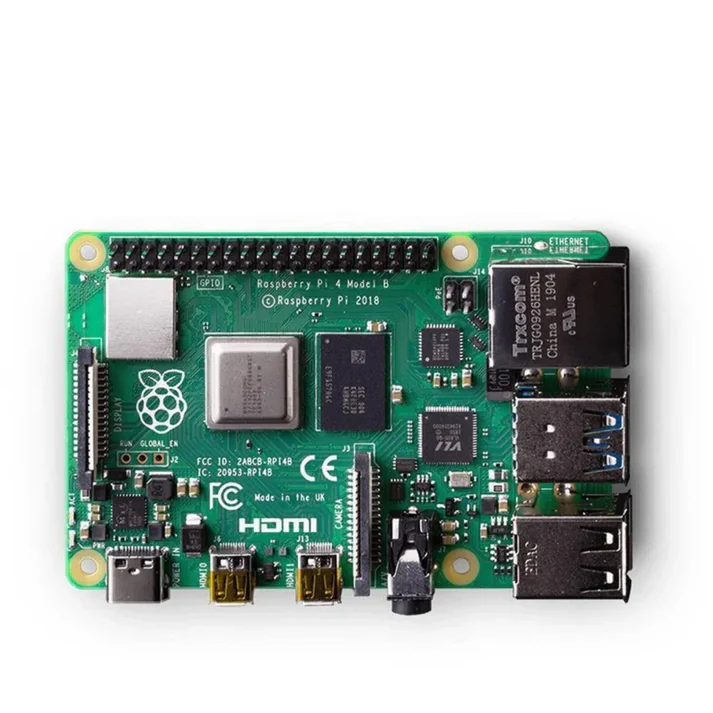
An electronic module is a self-contained unit that contains electronic components designed to perform a specific function within a larger electronic system. These modules are typically mounted on a printed circuit board (PCB) and can include integrated circuits, resistors, capacitors, sensors, and connectors.
Instead of building an entire circuit from scratch, engineers use electronic components that already perform a specific task. This makes the design process faster, more efficient, and less prone to errors.
For example:
- A Wi-Fi module enables wireless communication.
- A power module regulates electrical power.
- A sensor module collects environmental data such as temperature, humidity, or motion.
By combining different modules, manufacturers can build complex electronic systems quickly and efficiently.
How Do Electronic Modules Work?
Electronic modules work by performing a dedicated function and communicating with other parts of a system. Each module contains its own circuitry and components designed for a specific purpose.
For instance, in a smart home device:
- A sensor module collects data from the environment.
- A microcontroller module processes the information.
- A communication module sends the data to a mobile app or cloud server.
Because each module handles a specific task, the entire system becomes more organized, efficient, and easier to maintain.
Types of Electronic Modules
Electronic systems come in various forms depending on their application. Below are some of the most common types used across industries.
1. Power Modules
Power modules manage and regulate electrical energy within electronic systems. They ensure that the correct voltage and current are delivered to each component.
These modules are commonly used in:
- Industrial equipment
- Electric vehicles
- Renewable energy systems
- Consumer electronics
They help improve efficiency and protect devices from electrical damage.
2. Communication Modules
Communication modules allow electronic devices to connect with other systems through wired or wireless networks.
Common examples include:
- Wi-Fi modules
- Bluetooth modules
- GSM modules
- Zigbee modules
These modules are widely used in IoT devices, smart home systems, and industrial automation.
You can also explore more about communication components and electronic solutions through Tekparts’ component supply services
3. Sensor Modules
Sensor modules detect changes in the environment and convert them into electronic signals that systems can process.
Examples include:
- Temperature sensors
- Humidity sensors
- Motion sensors
- Gas sensors
- Light sensors
Sensor modules are commonly used in:
- Smart devices
- Healthcare equipment
- Automotive safety systems
- Environmental monitoring

4. Microcontroller Modules
Microcontroller modules act as the brain of electronic systems. They process data, execute instructions, and control other components within the device.
These modules are used in:
- Embedded systems
- Robotics
- Smart appliances
- Industrial automation
They allow devices to perform automated tasks and intelligent decision-making.
5. Interface Modules
Interface modules help different components communicate with each other by translating signals or connecting systems.
Examples include:
- USB interface modules
- Display interface modules
- Ethernet modules
These modules ensure seamless integration between hardware components.
Advantages of Using Electronic Modules
Electronic components offer several benefits that make them essential for modern electronic design.
1. Faster Product Development
Using ready-made modules reduces the time needed to design and test circuits. Engineers can integrate modules directly into systems without starting from scratch.
This significantly accelerates product development and innovation.
2. Improved Reliability
Electronic modules are typically tested and optimized before they are integrated into systems. This reduces the chances of circuit errors and improves overall reliability.
Manufacturers rely on high-quality component suppliers like Tekparts to ensure consistent performance in electronic systems.
3. Easy Integration
Modules are designed with standard interfaces and connectors, making them easy to integrate into existing systems.
This flexibility allows engineers to upgrade or replace modules without redesigning the entire device.
4. Reduced Design Complexity
Modern electronic systems can contain thousands of components. Using modules simplifies the design by grouping multiple components into a single functional unit.
This makes troubleshooting, maintenance, and upgrades much easier.
5. Cost Efficiency
Although modules may appear more expensive initially, they often reduce overall costs by minimizing development time, testing requirements, and manufacturing complexity.
Businesses can bring products to market faster while maintaining high quality.
Applications of Electronic Modules
Electronic systems are used across many industries. Here are some of the most common applications.
Consumer Electronics
Smartphones, tablets, smart TVs, and wearable devices rely on multiple electronic units such as communication, power management, and sensor modules.
These modules help deliver advanced features in compact devices.
Automotive Industry
Modern vehicles use numerous modular electronics for:
- Engine control
- Safety systems
- Infotainment
- Navigation
- Electric vehicle power systems
Electronic modules improve vehicle safety, efficiency, and user experience.
Industrial Automation
Factories and industrial systems use modules for monitoring, control, and communication. These modules enable automation, predictive maintenance, and real-time data processing.
Industries depend on reliable electronic component suppliers like Tekparts to support these advanced systems.
Healthcare and Medical Devices
Medical equipment such as patient monitors, diagnostic devices, and wearable health trackers use electronic components to ensure accurate data collection and processing.
Reliability and precision are critical in healthcare applications.
Internet of Things (IoT)
The rapid growth of IoT technology has increased the demand for electronic modules.
IoT devices typically use:
- Sensor modules
- Connectivity modules
- Microcontroller modules
These modules allow devices to collect data, communicate with networks, and automate processes.
Why Electronic Modules Are Important for Modern Technology
Electronic modules play a critical role in advancing technology by simplifying design and enabling innovation.
Here’s why they are so important:
1. They make complex electronics easier to design.
Modules allow engineers to build systems using standardized building blocks.
2. They improve device performance and reliability.
Tested modules reduce errors and ensure stable operation.
3. They support rapid innovation.
Companies can develop new products faster by integrating pre-designed modules.
4. They enable scalable technology.
Modules allow systems to expand or upgrade easily as new features are needed.
Without electronic modules, building advanced technologies such as smart homes, autonomous vehicles, and industrial automation systems would be much more difficult.
Conclusion
Electronic modules are essential components that power modern technology. By combining multiple electronic elements into compact functional units, they simplify system design, improve reliability, and accelerate product development.
From consumer electronics and automotive systems to healthcare devices and industrial automation, electronic modules play a vital role in shaping today’s digital world.
As technology continues to evolve, the demand for high-quality electronic modules will only grow. Businesses and engineers rely on trusted suppliers like Tekparts to provide reliable electronic components that support innovation and performance.
By understanding the importance of electronic modules, companies can design smarter, more efficient electronic systems that meet the demands of the modern world.